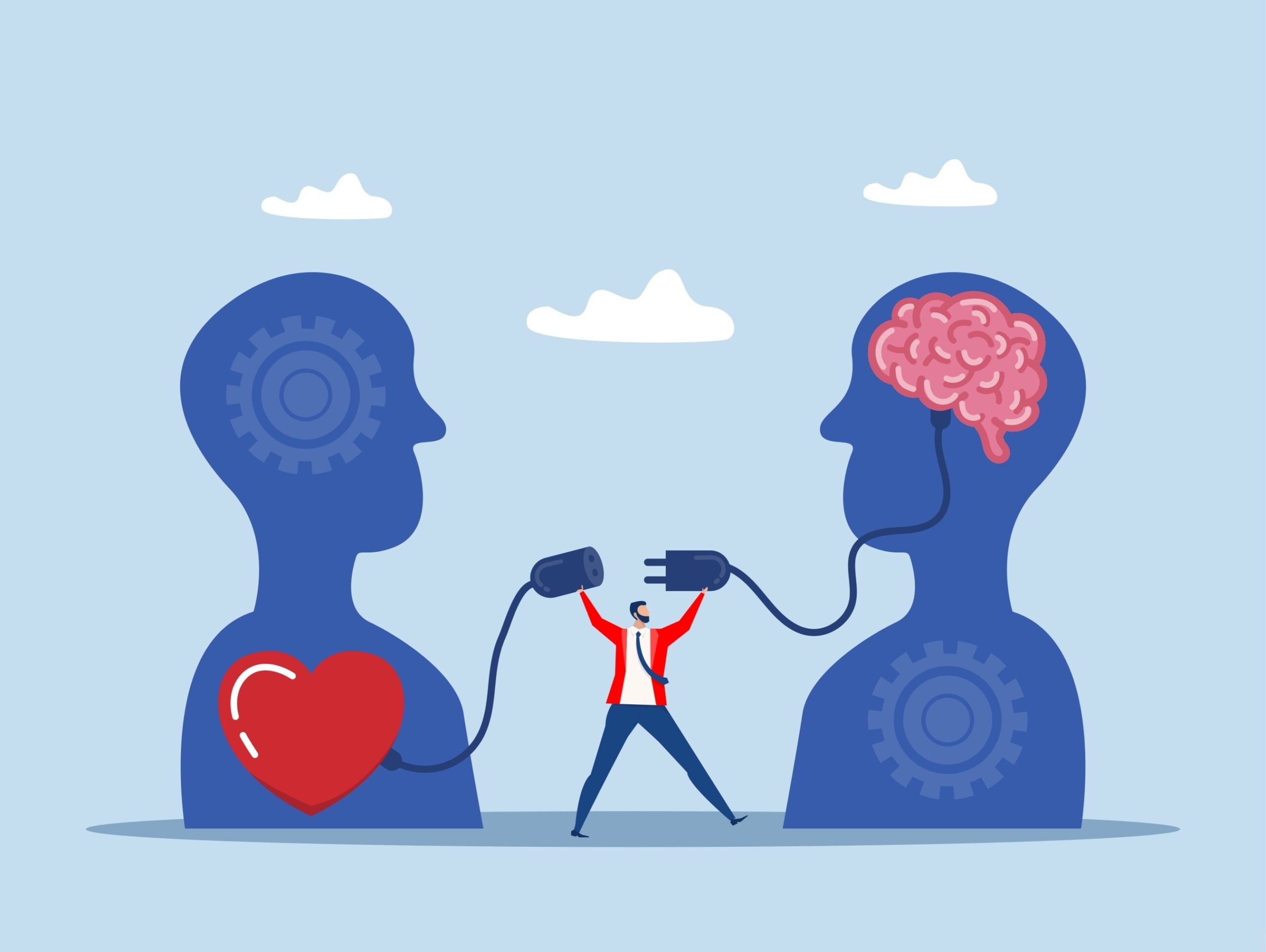
Lately, I’ve been reading about empathy fatigue – a term that describes when folks show less compassion for others when they’re overwhelmed.
Some ways empathy fatigue can show up include frustration, irritability, disconnection or distancing, or decision paralysis.
It can also be a red flag for burnout.
Pioneering neuroscientist Dr. Amy Arnsten’s burnout brain research explains that when folks are in an overwhelmed state, empathy can completely go out the window.
But why is empathy important in a business context?
Experts say that empathy fosters psychological safety (Jesmok, 2025), which strengthens employee engagement, productivity, and retention.
It also drives business results (Wang, et al, 2025): when teams are empathetic, they anticipate issues sooner, resolve conflicts faster, and can create deep emotional connections with customers. (Look no further than Chewy as an example of deep empathy for folks who have lost pets and the customer loyalty this drives.)
So how can organizations create more empathetic environments? And how can leaders recognize their own empathy fatigue?
Organizations Need to Build Empathy Into the System
Organizations bear the responsibility of creating healthy, empathetic environments for their people and org leaders should carefully examine their organizational culture, rewards, and training systems to explore empathy gaps. They should also solicit and act on employee feedback.
Examine Your Culture
- Are you openly discussing work styles, belonging, and trust?
- Are leaders trustworthy, transparent, and operating with integrity?
- Do people feel safe to share concerns?
- Is feedback actually used and without retaliation or retribution?
Evaluate Your Values & Reward Systems
- Do you recognize how work gets done, not just what gets done?
- Are decisions ethical — not just profitable?
- Are non-empathetic behaviors addressed, not ignored?Are leaders celebrating both individual wins and team collaboration?
- Is peer-to-peer recognition encouraged?
Invest in Training
- Are leaders trained in empathy, communication, and coaching?
- Are formal mentorship programs in place?
- Do leaders know how to spot and address compassion gaps?
Solicit (and Act On) Feedback
- Does your team set reasonable expectations?
- Are workloads sustainable?
- Doe the organization offer reasonable flexibility?
- Does the organization create opportunities for genuine personal connection?
Managers Need to Put their Own Oxygen Masks On First
To support an empathetic work culture, managers need to honestly acknowledge and assess their current states, control their inputs to prevent overwhelm, and actively manage their day-to-day activity so they’re modeling empathy for their teams.
Acknowledge and Assess
- What’s draining your energy: task volume, constant interruptions, digital overload, false urgency, perfection over progress?
- Are conflict dynamics or personality differences adding pressure?
Limit Input
- Are you constantly multi-tasking?
- Do you have space to think and process?
- Are you overconsuming media?
Manage
- Where can you build pockets of calm in your day?
- Can you decrease urgency or reprioritize work?
- Can you turn off non-urgent digital notifications?
- Can you reduce your media exposure (or confine it to a small timeframe)?
- Can you have direct conversations with your team members or business partners?
💡Why this matters: In today’s fast-moving world shaped by constant change and a relentless information cycle, empathy fatigue may be becoming more common… and it can affect an organization’s bottom line.
Organizations need to create environments where empathy isn’t a “nice-to-have” soft-skill, but a true performance driver. At the same time, leaders must remain self-aware, protect their own well-being, and model compassion and empathy for their teams.
***
I’m learning about resilience and burnout in real time–connecting dots across leadership, change management, coaching, behavior science and team dynamics. Whether you’re working on your own resilience, or you’re being asked to help your teams, your organizations or your loved ones get better and faster at bouncing back, adapting, and growing, join me as I continue to unpack these topics, and explore healthier ways we can work and lead together.
***
Disclaimer: I am not a licensed therapist…just a voracious reader, leader, certified coach, and communications pro who is intensely curious about resilience and burnout and how it’s playing out in our workplaces and lives today. If you’re struggling with your mental health, please seek out a qualified professional.❤️