
Most of us know the value of grit and resilience.
From social feeds and classrooms to boardrooms, productivity, optimization and “hustle culture” are often celebrated. Grit and resilience can certainly help us cope with short-term uncertainty as we overcome life’s hurdles.
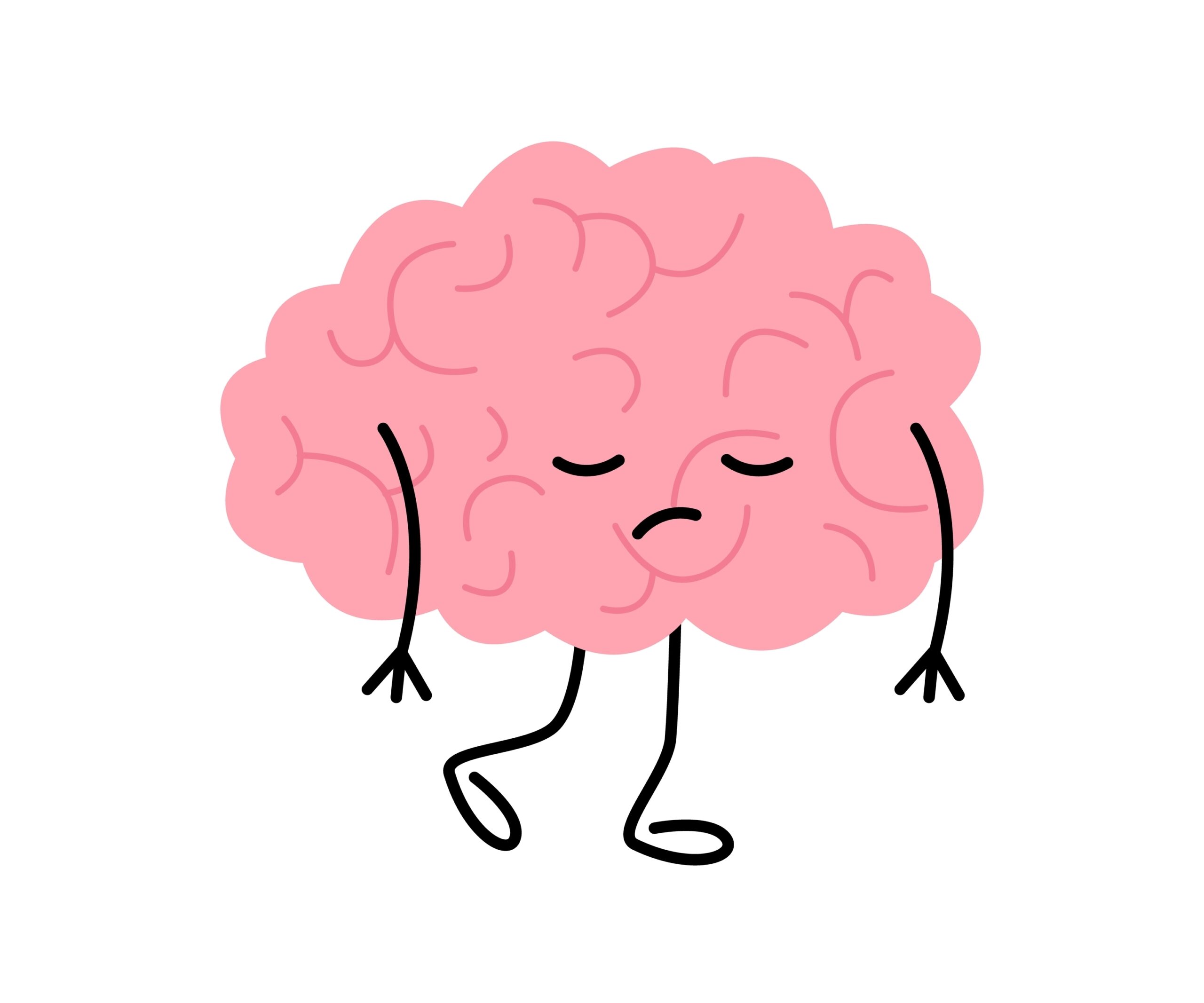
But when healthy grit transitions into unhealthy exhaustion, it can result in something behavioral researchers call “resilience fatigue,” a state with serious health consequences.
Who experiences resilience fatigue?
In a recent New York Times article about the prolonged conflict in Ukraine, author Maria Varenikova discussed the mindset of the country’s citizens, sharing the following:
“…they are fed up both with hardship and with being called resilient in the face of it.”
But resilience fatigue doesn’t just affect people in conflict zones or those experiencing trauma or structural inequities.
Anyone facing relentless pressure or the ongoing stress of “keeping things together”– from caregivers and high-performing business professionals to student-athletes and stay-at-home moms – can experience resilience fatigue.
Signs of resilience fatigue:
- feeling excessively drained or exhausted, with an inability to rebound
- easily distracted or unable to concentrate or stay on task
- overwhelmed or numb
- disconnected from others or less empathetic/compassionate
- unable to enjoy activities
- generally irritated, frustrated, or short-tempered
Resilience fatigue can also show up as physical symptoms including:
- headaches
- digestive issues
- muscle tension
- sleep disruptions
While it’s important to acknowledge that resilience fatigue often requires systemic solutions (realistic workloads and expectations, formal support structures, etc.), there are some things individuals can do to combat their own resilience fatigue:
- Acknowledge your feelings. Recognizing your grit has shifted into grind is the first step.
- Practice self-compassion. Give yourself permission to rest and recharge. Reset goals or temporarily adjust expectations or timelines.
- Engage in mindfulness. Be gentle with your attention and focus.
- Do things that bring you joy. Nurture healthy hobbies or activities.
- Set boundaries. Decline non-essential requests.
- Move your body. Aim for gentle, regular physical activity.
- Prioritize sleep. Create a consistent routine and practice good sleep hygiene.
- Experience nature. Take a walk, step into the sunshine, notice your footsteps or the air temperature.
- Seek professional help. Especially if your fatigue is starting to slide into burnout or depression.
Why this is important: Resilience fatigue can affect anyone experiencing prolonged stress, and can be a tipping point – a warning sign that the body needs a serious recharge. Left unaddressed, it can impact mental, physical and emotional health, personal and professional relationships and overall well-being.
Full-blown burnout often requires significant intervention and recovery time, but addressing resilience fatigue early can help prevent more serious consequences.
Additional Resources:
- This is a great article about resilience fatigue in the workplace.
- This is a great academic article about resiliency in nursing, but could apply to most caregivers
I’m continuing to learn about resilience and burnout in real time–connecting dots across leadership, change management, coaching, behavior science and team dynamics. Whether you’re working on your own resilience, or you’re being asked to help your teams, your organizations or your loved ones get better and faster at bouncing back, adapting, and growing, join me as I continue to unpack these topics, and explore healthier ways we can work and lead together.
***
Disclaimer: I am not a licensed therapist…just a voracious reader, leader, certified coach, and communications pro who is intensely curious about resilience and burnout and how it’s playing out in our workplaces and lives today. If you’re struggling with your mental health, please seek out a qualified professional.❤️